

How Cottage Developments Work in Boise (And Why They're the Most Underrated Infill Play Right Now)
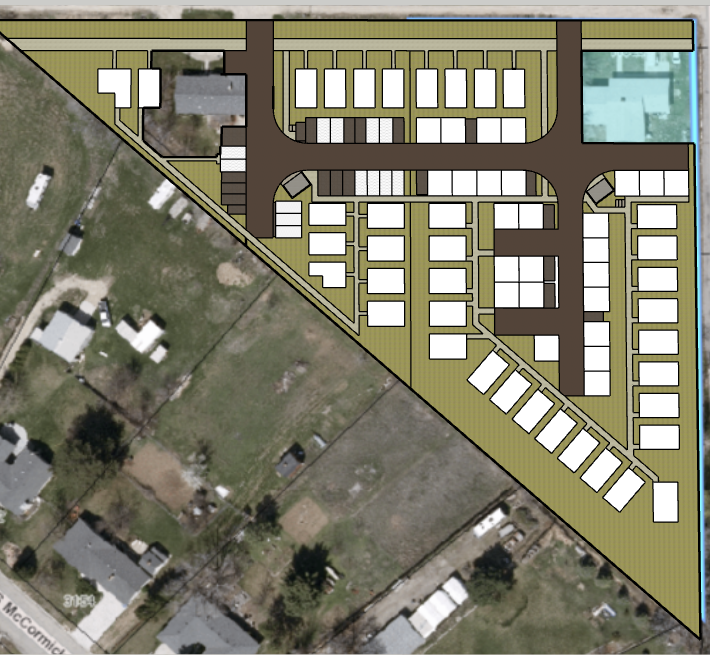
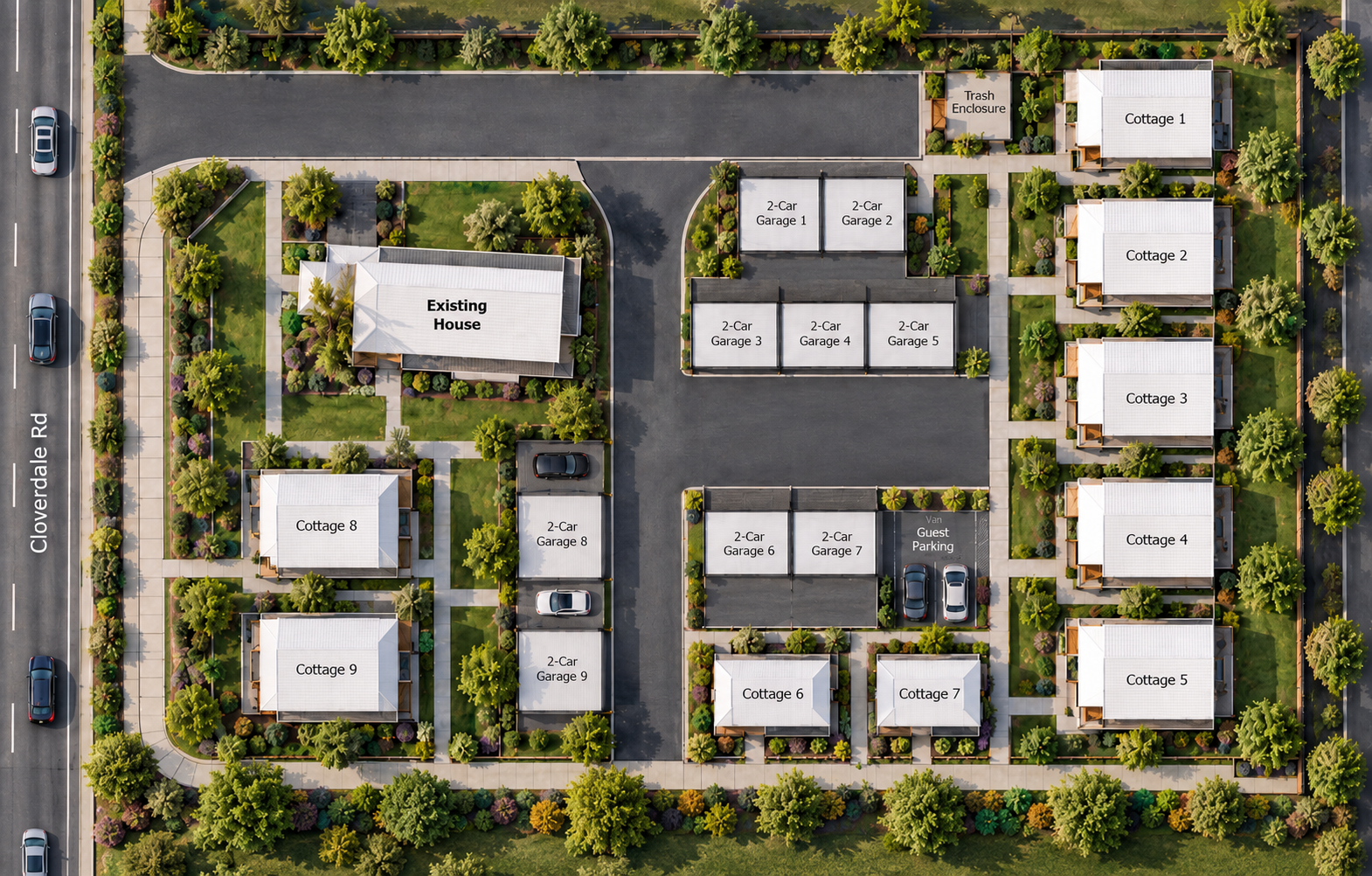
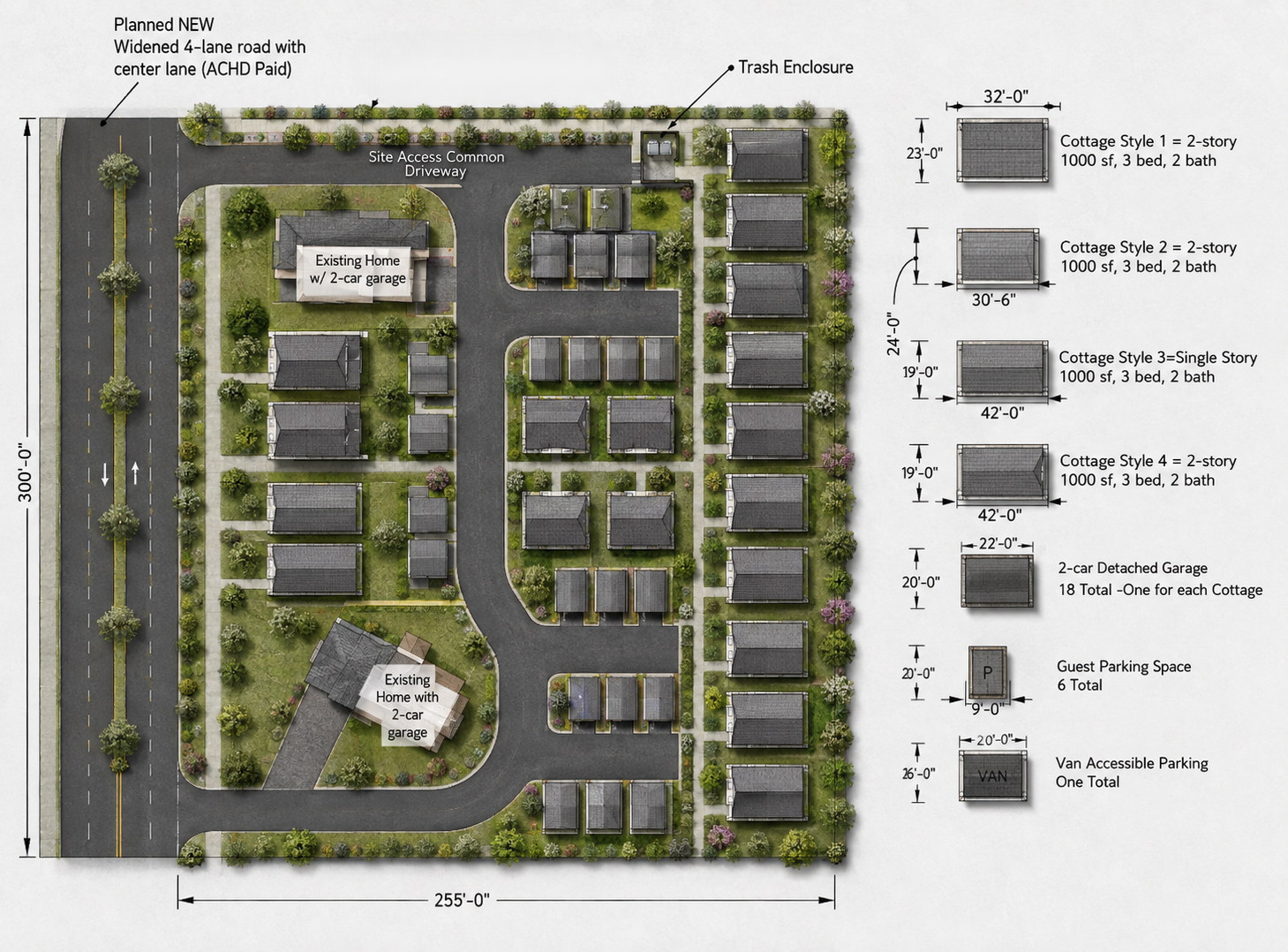
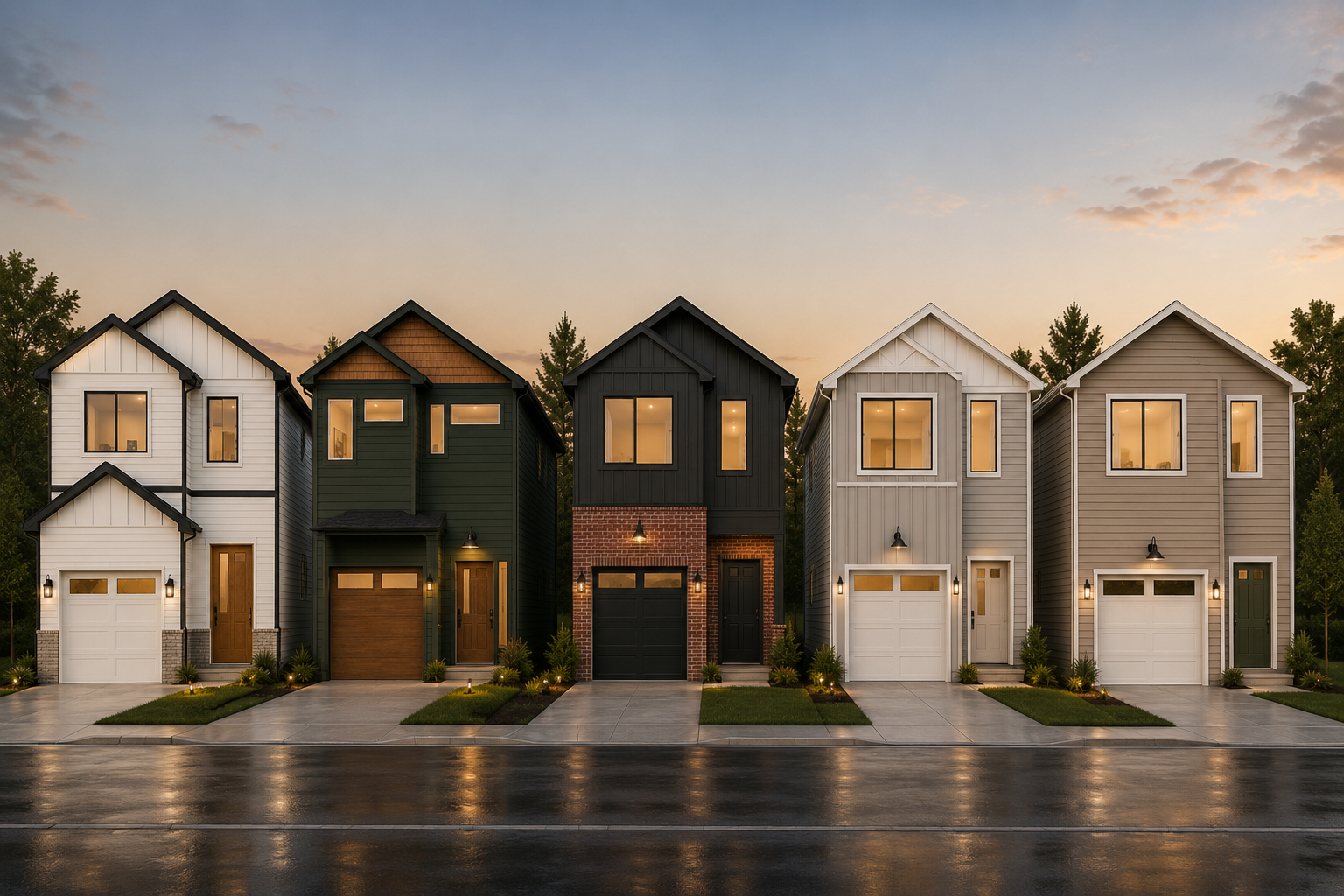
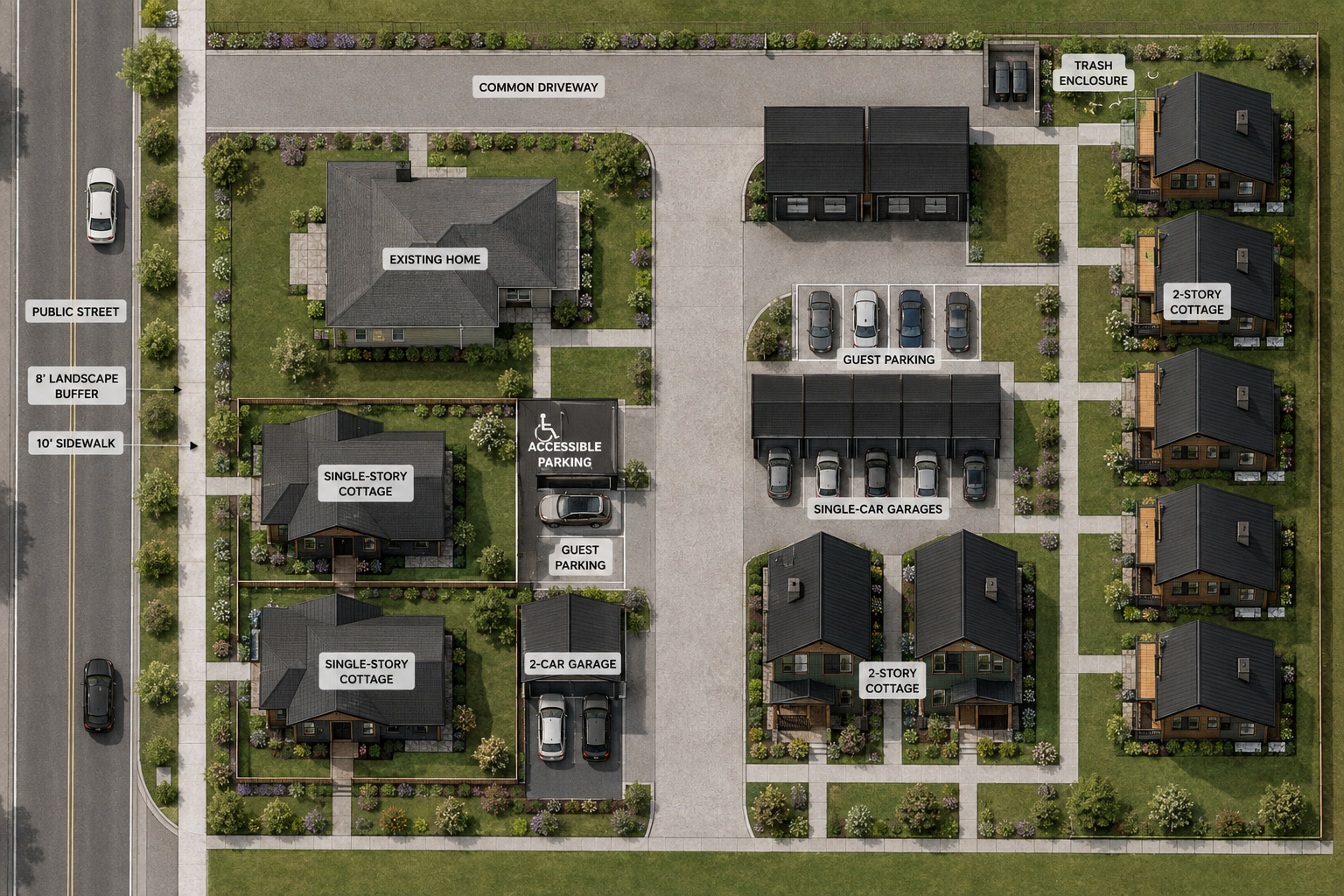
Cottage developments are, in my opinion, the most underrated infill product in Boise right now. They're detached, single-family homes that we project can sell for under $400,000, at a price point with almost no new construction in the Treasure Valley. Here's exactly how they work, how they compare to a typical subdivision, and a real 38-cottage deal we're underwriting.
Top 10 Reasons Cottage Development Is the Most Overlooked Opportunity in Boise Real Estate Right Now
Boise's Infill Housing Incentives: How to Maximize Density and Returns Without Sacrificing Profit
How Boise's Minor Land Division Incentive Can Save You $30K and 18 Months on Your Next Infill Deal
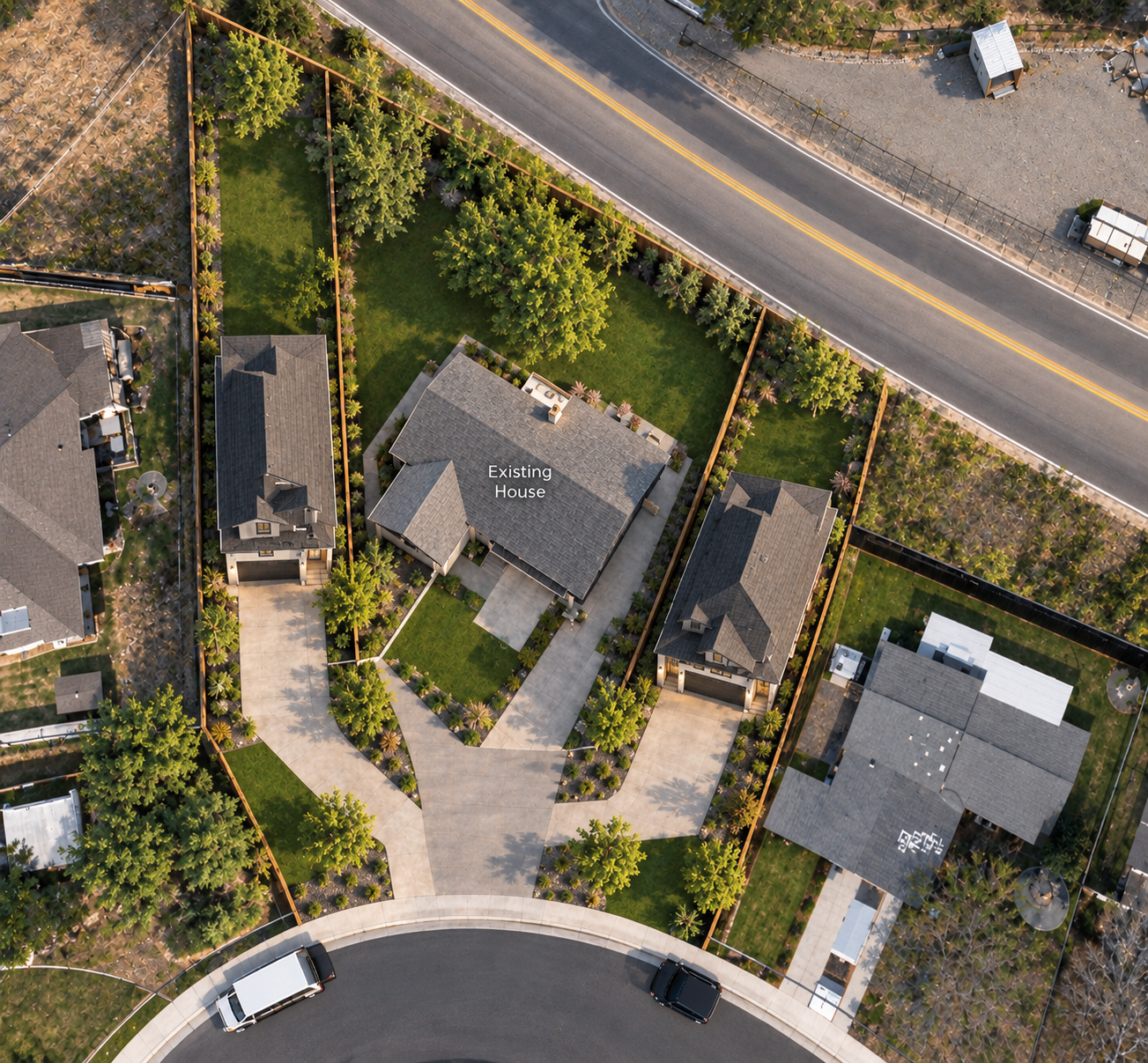
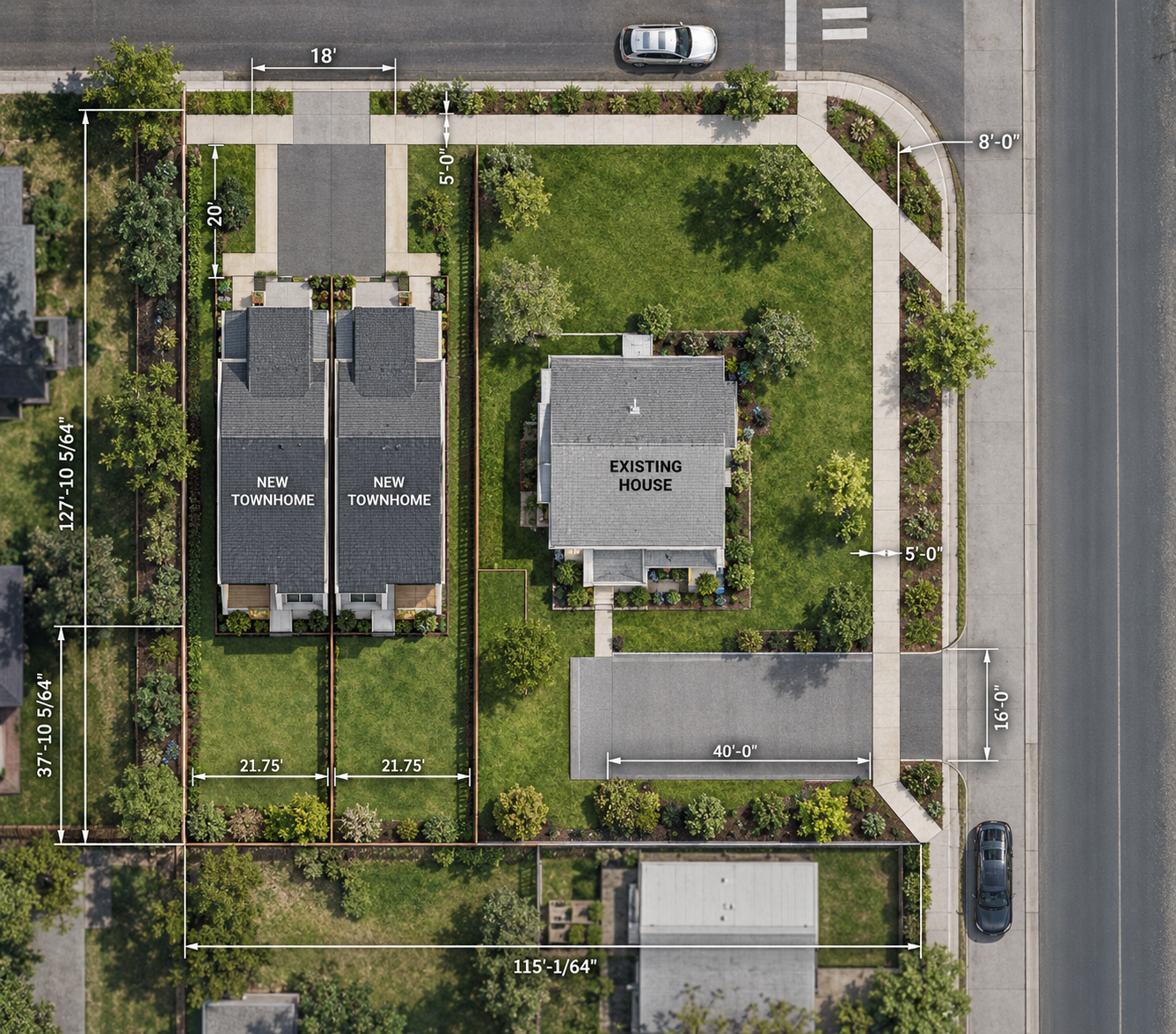
Boise removed the easy path to splitting a lot — unless you hit an affordability incentive. Here's how one minor land division deal saves $30K, shaves a year off the timeline, and still pencils to $145K+ in profit.
The Life of a Subdivision, Part 2: What Entitlements Really Looks Like (And Why It Doesn't Have to Be a Nightmare)
How Long Does It Really Take to Build a Subdivision? The Life of a Subdivision, Explained
Most investors think a subdivision takes a few months. It takes closer to three years — and the step that kills deals isn't the one you'd expect. Here's the real timeline, plus a live deal turning one 0.43-acre lot into five row homes.
How We Turn a $525K House Into a 140% Return: This Week's Six-Figure Infill Deal
The 2 Mistakes Everyone Makes When Pricing Land (And How We Avoid Them)

How to Use Boise’s New Zoning Codes to Maximize Your Returns
Boise is changing—and if you're an investor or developer, that’s a good thing. The city’s new zoning code overhaul is creating major opportunities for smart, forward-thinking investment. But like any good opportunity, success depends on how well you understand the rules of the game. At Matson Homes, we specialize in Boise infill development, and we’ve spent the last few months digging into the updated zoning code. In this post, we’re breaking down what’s new, what it means, and how you can leverage these changes to get the highest return on your next property.

Why Infill Development is the Future of Smart Growth in Boise
Infill development is transforming Boise's housing market by making the most of underutilized land within city limits. Instead of expanding outward, infill development revitalizes vacant lots, reduces urban sprawl, and creates more housing in desirable locations. From unlocking hidden value to enhancing neighborhoods and lowering the cost of homeownership, infill development is the future of smart growth. At Matson Homes, we specialize in turning overlooked spaces into thriving homes and investment opportunities. Learn how infill development can benefit you and Boise’s future.